Flat Tire at Home? When the 1/4 Inch Rule Means Calling a Pro
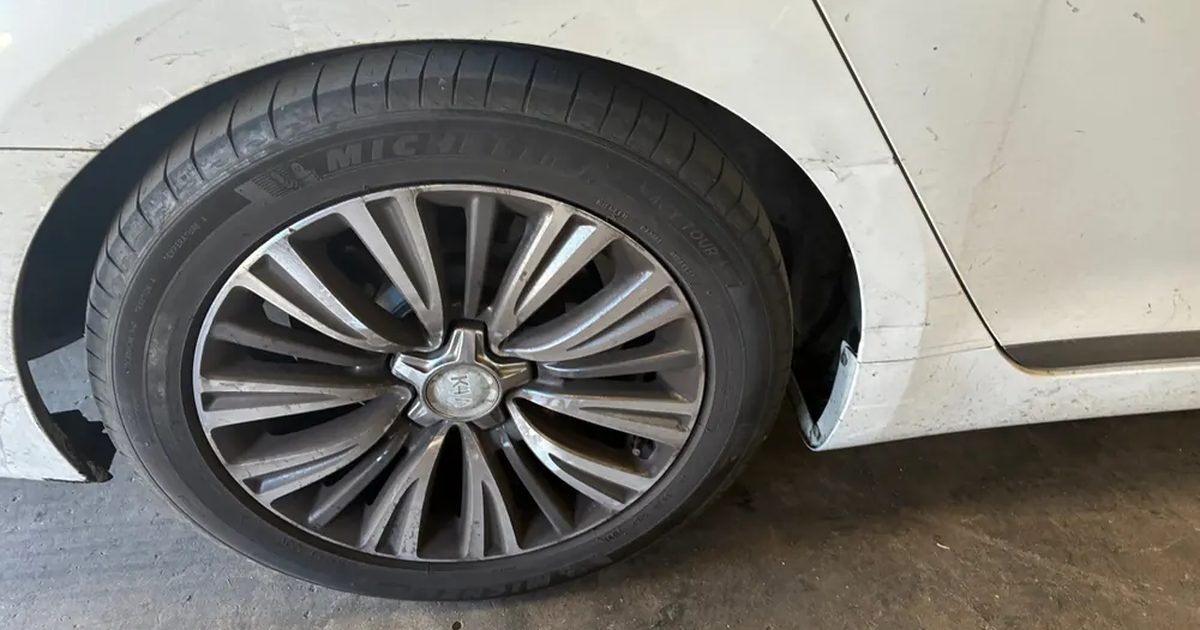
If it is safe and you have a usable spare and the right tools, swap to the spare now. If you lack a spare or the conditions are not safe, a plug or sealant can get you to a shop, or you can call a mobile mechanic or roadside service to come to you.
- A spare is the quickest and safest fix if it is properly inflated and you have a working jack and stable, flat ground.
- Skip plug kits and sealants if the damage is in the sidewall or shoulder, or if the tire was driven on while flat.
- A proper repair means demounting and inspecting the tire, especially for punctures larger than a quarter inch or outside the center of the tread.
- Check the spare's air pressure, and re-tighten the lug nuts after about 50 miles.
- Call a mobile mechanic if conditions are unsafe or you lack tools. They can do a full inspection and a proper repair.
11 min read · 11 sections
What To Do First When You Get a Flat Tire at Home
Safety comes before speed. A flat tire in your driveway is a different problem than one on a busy road, but the first moves are the same either way.
Keep a set of wheel chocks in your trunk year round. A rock or a piece of wood works in a pinch, but a real chock will not slip once weight comes off the tire.
Before you touch a lug nut, run through this checklist.
- Park on firm, level ground away from traffic and turn on your hazard lights.
- Engage the parking brake and set wheel chocks on the wheels opposite the flat.
- If you are stuck roadside instead of at home, set out reflective markers and move passengers away from the car.
- If any of these steps are not possible, stay in the vehicle and call for professional help instead of working near live traffic.
Should You Fix It Yourself or Call a Mechanic?
Not every flat tire needs a professional, but plenty do. Knowing which situation you are in saves time and possibly your safety.
DIY makes sense when you have a properly inflated spare, a working jack and lug wrench, good lighting, and flat, stable ground to work on. If all four are true, a spare swap usually takes less than an hour.
Weigh the cost and time too. A spare swap costs you nothing but time. A plug kit runs a few dollars but still needs a shop visit afterward. A mobile technician costs more upfront but saves you the tow and the wait.
Call a mobile mechanic or towing service if any of these apply.
- You are on a busy road, shoulder, or in bad weather with poor visibility.
- You are missing a jack, wrench, or a properly inflated spare.
- You see sidewall damage, a bulge, or a gash instead of a simple puncture.
- You drove any distance on the flat tire before stopping.
How to Change to a Spare Tire, Step by Step
Changing a tire is not hard once you know the order of operations. Rushing the sequence, though, is how people get hurt or strip a lug nut.
While you work, slide the flat tire under the vehicle as a backup in case the jack fails. If you do not own a torque wrench, snug the nuts as tight as you can by hand, then get them properly torqued at a shop the same day. Overtightened and undertightened lug nuts both cause problems down the road. Either way, recheck the torque after about 50 miles, since nuts can settle slightly.
Work through the steps in this order.
- Loosen the lug nuts slightly while the flat tire is still on the ground. This keeps the wheel from spinning while you break the nuts free.
- Position the jack at the vehicle's correct jack point, usually marked in the owner's manual, and raise the car until the tire is 4 to 6 inches off the ground.
- Remove the lug nuts and the flat tire, then mount the spare onto the wheel studs.
- Hand tighten the lug nuts in a star pattern, not in a circle, so the wheel seats evenly.
- Lower the vehicle until the spare touches the ground, then finish tightening the lug nuts with a torque wrench, still in that star pattern.
Do Plug Kits and Sealants Actually Work?
They work, but only as a bridge to a real repair, not as the repair itself. A plug kit or aerosol sealant can get a flat tire home or to a shop, and that is exactly what they are designed for.
Patch plug combinations done by a tire shop are the accepted industry standard for a lasting fix, while a plug you install yourself in the driveway is a stopgap.
To use a plug kit, insert a rubber plug into the puncture with the tool provided in the kit, trim the excess, and inflate the tire back to its recommended pressure. Then test your work by spraying a soapy water mix over the plugged area and watching for bubbles. Bubbles mean air is still escaping and the tire is not safe to drive on yet.
Even when it seems to be holding air fine, an on-wheel plug that is never followed up with a proper demount and inspection is still classified as temporary and emergency use only. Two more warnings apply.
- Some tires with tire pressure monitoring sensors can be damaged by certain plug tools, so check your vehicle's manual first.
- If the tire lost most of its air or you are unsure where the leak is, skip the plug and call a professional instead.
Can This Tire Be Repaired or Does It Need Replacing?
The tire industry has clear rules here, and they are not just marketing caution. A puncture is generally repairable only if it is 1/4 inch (6mm) or less in diameter and sits in the center of the tread, away from the shoulder.
If you drove even a short distance on the flat before stopping, mention that to whoever inspects it. Driving on a flat can crush the inner sidewall in ways that are not visible from the outside, which is one more reason a shop needs to demount the tire rather than just look at the tread.
Outside that size and location limit, replacement is the safer call, and a few other conditions point the same way.
- Any damage to the sidewall or shoulder area rules out a repair, no matter how small.
- Large or angled punctures often cause internal damage a simple patch cannot fix.
- Multiple past repairs, low tread depth, or a tire older than six years often means replacement makes more sense even if the current puncture looks small.
What to Do After the Swap or Temporary Fix
Getting mobile again is only half the job. What you do in the next day or two matters just as much.
- Check the spare's air pressure, since it may have lost pressure sitting in your trunk for months, and drive carefully, avoiding highway speeds if it is a compact spare.
- Get to a shop for a full inspection as soon as you reasonably can.
- If you used a plug, check that tire's pressure daily until you get it properly patched or replaced.
- Ask about pricing before you commit. Car repair cost guides can give you a sense of what a patch, plug, or new tire should run before you sit down at the counter.
Why Repair Standards Matter and How MechanicRank Helps
Industry guidance is consistent on this point. A puncture over the 1/4 inch limit or on the sidewall needs replacement, not a patch. Plugs are a bridge, and a full demount with an internal inspection is the accepted standard for a permanent fix.
MechanicRank lists mobile mechanics and shops that can handle that inspection, with ratings from public customer reviews so you know something about who is showing up before they arrive.
The Truth About "Fixing It Yourself"
Most advice on flat tires treats every option as equally valid, as if a plug kit and a shop repair solve the same problem. They do not. A plug gets you moving. It does not tell you whether your tire has hidden sidewall damage from the mile you drove before pulling over.
What that advice leaves out is the assumption underneath it, that a tire holding air is a tire that is safe. Plenty of tires hold air for weeks after damage that should have taken them out of service. The 1/4 inch tread rule exists because shops have seen what happens when that assumption goes unchecked.
So put the demount inspection ahead of the quick fix. A plug or sealant is fine to get home, but it settles nothing about whether the tire is safe long term. That call belongs to someone who takes the tire off the rim and looks inside, and it should happen within a day or two, not whenever it becomes convenient.
Need a Pro Now? Book a Mobile Mechanic Today
When a plug or spare swap is not enough, MechanicRank is the faster route to a real fix. Instead of calling shop after shop to find someone who can come to your driveway, you can compare mobile mechanics and their ratings in one place.
Search your location, compare providers, and request a free quote through the site. If your flat turns out to need a full demount and inspection, the mobile and roadside service details explain what to expect before the technician arrives.
Head to MechanicRank to find a mobile mechanic near you and get your tire handled properly, without the tow truck or the waiting room.
Like this? Add MechanicRank to your Google sources
Reading List
- What to do if you have a flat tire | Good Sam Roadside
- Tire repair guidelines | Continental Tires
- Tire Repair | Tire Industry Association
Owners Ask Us
What should you do about a flat tire at home?
Follow the safety checklist first, then swap to a spare if you have one and the tools to do it. If you do not, a plug or sealant kit can get you to a shop, or you can find a mobile mechanic on MechanicRank to come to you.
Can you fix a flat tire yourself with a sealant?
You can use an aerosol sealant or plug to get the tire holding air temporarily, but it is not a permanent repair. A shop still needs to demount the tire and inspect the inside before you trust it long term.
Can someone come out to change a tire for you?
Yes. Mobile mechanics and roadside services will come to your home or wherever you are stranded to swap a spare, install a temporary plug, or arrange a tow if the damage is too severe to repair on site.
What should I do if only one tire is flat?
Treat it like any other flat. Follow the safety checklist, then choose between a spare swap, a temporary plug, or a professional based on the damage and the tools you have. One flat tire does not mean replacing the others unless they show their own wear or damage.
Picked for You
Own a shop or a mobile operation?
Your free MechanicRank listing is one of the citations this article talks about. Claimed listings get an owner badge, a photo gallery, and a green star on the map.
Claim Your Free Listing →