Drilled vs Slotted Rotors and How to Match Them to Your Driving
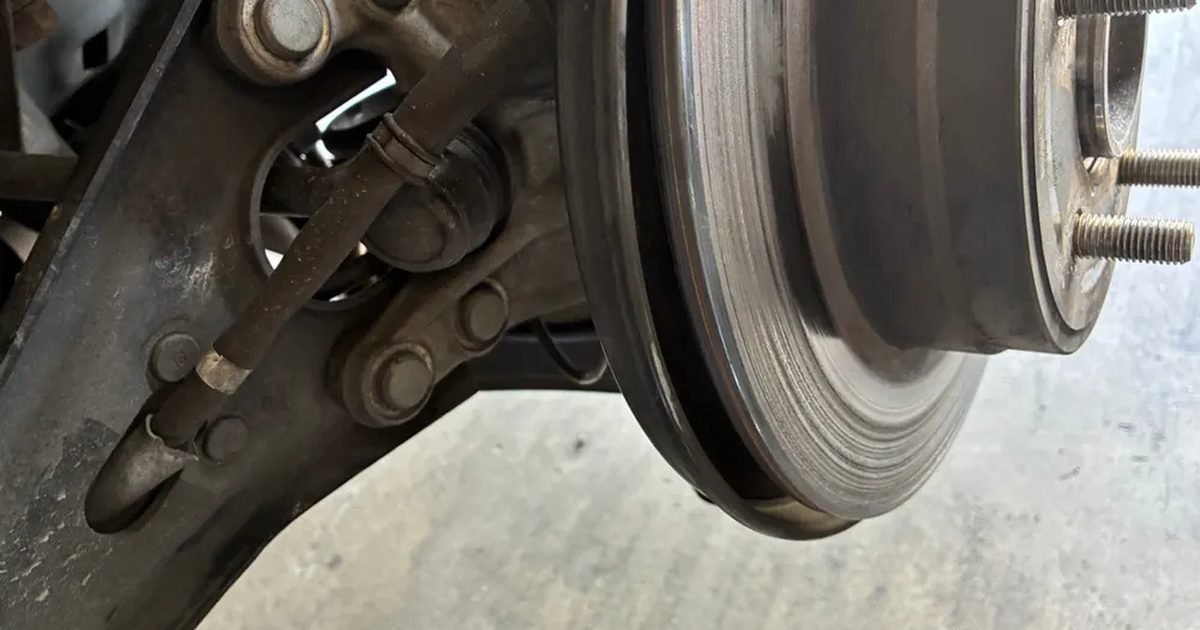
Most daily drivers should stick with plain or slotted rotors, since drilled designs rarely add real stopping power on the street and carry a higher cracking risk. Slotted rotors handle towing and repeated hard stops better because they resist thermal shock. Drilled rotors work best with light use, where their looks and water clearing outweigh the crack risk that comes with heat cycling.
- Drilled rotors are more prone to cracking and less effective under repeated heavy braking, so inspect them regularly.
- Slotted rotors handle thermal shock better, which makes them the usual pick for towing, mountain driving, and spirited street use.
- Hybrid rotors with chamfered holes balance airflow against cracking risk, but they still wear pads slightly faster and depend on good manufacturing quality.
- In wet climates, drilled rotors clear water well, but on their own they offer little stopping distance advantage for daily commuting.
- Track and high performance cars are better served by high mass or two piece rotors built for sustained heat than by drilled or slotted street rotors.
12 min read · 13 sections
Drilled vs Slotted Rotors at a Glance
The list below lines up the main differences by category, drilled rotors first and slotted second. In short, commuters in wet climates who rarely push the brakes hard often like how drilled rotors clear water. Anyone who tows a trailer or drives mountain roads should lean toward slotted rotors for the added durability. Track day drivers usually skip both in favor of two piece or high mass rotors built for sustained heat.
- Initial bite. Drilled rotors bite strongly when cold or wet. Slotted rotors bite strongly and more consistently when hot.
- Wet weather. Drilled rotors are very good, since the holes clear water fast. Slotted rotors are good, but not as fast.
- Cooling. Drilled rotors get better convective airflow. Slotted rotors are moderate and vent mostly through their vanes.
- Thermal capacity. Drilled rotors are lower, since the holes remove mass. Slotted rotors are higher, close to solid rotors.
- Pad wear. Moderate with drilled rotors, slightly higher with slotted rotors because of the slot edges.
- Crack resistance. Drilled rotors are weaker under heavy heat cycling. Slotted rotors are stronger and handle thermal shock better.
- Best for. Drilled rotors suit light daily use in rain prone areas. Slotted rotors suit towing, spirited driving, and track days.
What Drilled Rotors Do and Where They Fall Short
The holes drilled through the rotor face do two real jobs. They let heated gas and water escape faster, which is why drilled rotors respond well in the rain. They also pull heat away from the rotor surface through added airflow, a benefit Brembo's own engineering notes confirm alongside a warning about the trade off that comes with it.
This is the part a lot of buyers miss. Drilling a rotor removes metal, and metal is what stores and spreads heat. Less mass means the rotor heats up faster and cools less evenly, which is exactly the setup that leads to cracking. The holes themselves act as stress points where cracks tend to start, especially once the rotor has been through repeated heavy braking over time.
A single hard stop does not usually improve with drilled holes. The physics of stopping distance come down to tire grip and pad friction, not rotor surface pattern, so do not expect a shorter stopping distance just from switching rotor types.
A quick fingernail test helps. Run your fingernail across the rotor face near each hole. If it catches on a ridge or a groove, that is early cracking and worth a mechanic's look before it spreads. Beyond that, watch for these signs.
- Check for hairline cracks radiating from the holes during every tire rotation.
- Look for discoloration around the holes, which signals uneven heat spread.
- Listen for a light clicking noise at low speed, sometimes a sign of early cracking.
Slotted Rotor Strengths and Trade Offs
Slots cut across the rotor face work like a windshield wiper for the pad. Every rotation, the slot edge scrapes off a thin layer of glazed material and pushes gas and dust out from between the pad and rotor. That keeps the friction surface fresh, which matters most when you are braking hard again and again, like descending a long grade with a loaded trailer.
This wiping action is also why slots survive heat cycling better than holes do. A slot does not concentrate stress the way a drilled hole does, so slotted rotors tend to hold up longer under thermal shock from repeated heavy stops.
The trade off shows up in your pads. That scraping action is mildly abrasive, so pad wear runs a bit faster than it would with a solid rotor. Some drivers also notice more brake dust and a faint hum at certain speeds, though this varies by pad compound.
For anyone hauling heavy loads regularly, that thermal shock resistance is the main reason shops recommend slotted over drilled.
One caveat applies to street cars, and it comes down to pad chemistry.
- Slots were originally built for older pad materials that released a lot of gas under heat.
- Modern semi metallic and ceramic pads outgas far less than the pads slots were designed around.
- That shift means the wet weather and glazing benefits of slots matter less for street cars than they did decades ago, based on PowerStop's technical notes.
What to Expect From Hybrid Drilled and Slotted Rotors
Hybrid rotors try to have it both ways. You get the pad wiping action of slots and the added airflow from holes, aimed at drivers who want a street performance upgrade without going full track setup.
The catch is that hybrids still lose thermal mass from the drilled portion, so they inherit some of the same cracking risk that pure drilled rotors carry. Pad wear also tends to run slightly higher than either design alone.
Manufacturing details make a real difference here. Chamfered hole edges and cryogenic treatment processes reduce stress concentration around each hole, which lowers cracking risk without fully removing it. If you want a hybrid rotor, ask whether the holes are chamfered and whether the rotor went through any heat treatment process. Hybrids make the most sense on a car used for spirited weekend driving, not one that sees regular towing duty or wet commutes.
Maintenance, Life Span, and Costs to Expect
Rotor design changes how often you replace parts, and by how much. Slotted rotors wear pads a little faster because of that scraping action, so expect slightly shorter intervals between pad changes. Drilled rotors put more stress on the rotor itself, which can shorten rotor life if you drive hard or live somewhere with big temperature swings.
Resurfacing, or having a shop machine the rotor face smooth again, works fine on solid and lightly worn slotted rotors. Drilled rotors are harder to resurface safely since removing material near the holes can weaken them further, so replacement is often the better call once they show wear.
For real numbers, check brake pad replacement costs and brake rotor replacement costs before you commit to a rotor style, since labor rates and part prices vary a lot by vehicle.
- Get your pad thickness checked at every rotor inspection, not just when you hear noise.
- Ask your mechanic if resurfacing is even possible before assuming it is the cheaper fix.
- Budget separately for pads and rotors, since they rarely wear out at the same time.
Decision Checklist and What to Ask Your Mechanic
Match your rotor choice to how you actually drive, not how you wish you drove.
Before you buy, ask your installer five questions. What metal grade is the rotor cast from? Is there a heat treatment or chamfering process on the holes? What warranty covers cracking? Which pad compound do you recommend for this rotor? What is the expected mileage life under my driving conditions?
Walk away from any rotor priced far below competitors with no metallurgy specs listed. That is one of the biggest red flags in aftermarket brake parts, along with vague warranty language and zero test data.
This quick framework matches rotor type to driving style.
- Daily commuter, mild climate. Solid or slotted rotors with a quality ceramic pad cover most needs.
- Wet climate commuter. Drilled rotors can help clear water, but weigh that against cracking risk if you also drive hard sometimes.
- Regular towing or mountain driving. Slotted rotors for the added thermal shock resistance.
- Track days or autocross. Neither drilled nor slotted alone is enough. Talk to a shop about high mass or two piece rotors built for sustained heat.
- Mixed use daily and occasional spirited driving. A hybrid rotor with chamfered holes might fit, paired with a pad rated for higher temperatures.
How MechanicRank Helps You Find Mechanics and Price Checks
Once you know which rotor type fits your driving, the next step is finding someone qualified to install it. MechanicRank lists shops and mobile mechanics with ratings from public customer reviews, so you can see how an installer has treated other drivers before you call.
Use the rotor replacement cost guide to see fair price ranges before you call anyone, then check the Mechanic Map to compare shops near you and request quotes side by side.
Suitability for Daily Driving Versus Track Use or Heavy Towing
Your driving profile matters more than any rotor spec sheet. Daily commuters who mostly deal with stop and go traffic and the occasional highway drive rarely generate enough heat to expose the weaknesses of any rotor design. For this group, drilled and slotted rotors offer no meaningful stopping distance improvement over a quality solid rotor, so paying extra for either mostly buys you looks and marginal wet weather help.
Towing changes the equation completely. Hauling a trailer down a long grade means your brakes absorb heat continuously for minutes at a time, not seconds. That is where thermal mass and structural integrity matter far more than surface pattern, and where a solid or slotted rotor with a high vane count tends to outperform a drilled design that loses cooling capacity as it heats.
Track use is its own category entirely. A single lapping session generates rotor temperatures that a drilled rotor was never designed to survive repeatedly. Serious track builds usually move past both drilled and slotted street rotors toward two piece rotors with replaceable rings, larger diameters, and pads rated for extreme heat. If you are debating drilled versus slotted for a car that sees regular track time, you are likely asking the wrong question. The better move is a full brake system upgrade sized for the heat your car will actually generate, not a rotor swap alone.
What More Drivers Should Know About Rotors
A lot of buyers walk into a parts store convinced that drilled holes are the upgrade path, mostly because they look aggressive on a set of wheels. What actually determines stopping performance on a daily driver has far more to do with pad compound, fluid condition, and caliper maintenance than rotor face pattern. Owners get better results prioritizing quality pads and staying current on brake fluid flushes over chasing rotor upgrades.
One of the most common mistakes is installing drilled rotors on a car that also sees occasional track days, then wondering why a rotor cracked after a season. Match the rotor to the actual use, not the aspiration.
Find an Installer and Compare Rotor Costs on MechanicRank
Skip the guesswork on pricing and shop reputation. MechanicRank puts shops, customer ratings, and rotor replacement cost data in one place, so you can compare quotes before you commit to a rotor type or an installer.
Start by checking the rotor replacement cost guide to see what a fair price looks like for your vehicle. Then head to the Mechanic Map to find shops near you, read real reviews, and request quotes from more than one installer before you book. If you want to understand the repair yourself first, the free brakes and ABS study guide breaks down how rotors, calipers, and vane design work together. Find your next mechanic on MechanicRank and get quotes today.
Primary Sources and Further Reading
For deeper technical detail, Brembo's own engineering breakdown of drilled and slotted designs covers the physics behind cracking risk. PowerStop's comparison resource goes further into pad interaction. For daily driving specific guidance, see SlashGear's analysis and MechanicRank's own rotor replacement cost guide.
Like this? Add MechanicRank to your Google sources
Reading List
- Disc drilled or slotted? | Brembo
- Are drilled and slotted rotors worth it for daily driving | SlashGear
- Drilled vs Slotted Rotors, Which is Better for You? | PowerStop
Owners Ask Us
What Are the Disadvantages of Slotted Rotors?
Slots wear pads slightly faster because of the scraping action against the pad surface, and some drivers notice more brake dust or a faint hum at certain speeds.
Are Drilled and Slotted Rotors Okay for Daily Driving?
They work fine for light daily use, but most daily drivers see no real stopping distance benefit and take on added cracking risk or pad wear compared to a solid rotor.
What Type of Rotors Are Best for Daily Driving?
Solid or slotted rotors paired with a quality ceramic pad cover most commuting needs, since they balance cost, pad wear, and durability better than drilled designs for typical street use.
Do Slotted Rotors Cool Better?
Not dramatically. Slots help evacuate gas and debris rather than cooling directly, while drilled holes provide better convective airflow, though neither guarantees a shorter stopping distance in a single hard stop.
Picked for You
Own a shop or a mobile operation?
Your free MechanicRank listing is one of the citations this article talks about. Claimed listings get an owner badge, a photo gallery, and a green star on the map.
Claim Your Free Listing →