Diagnose Diesel Truck Limp Mode With DEF, DPF, and Live Data Before It Costs Thousands
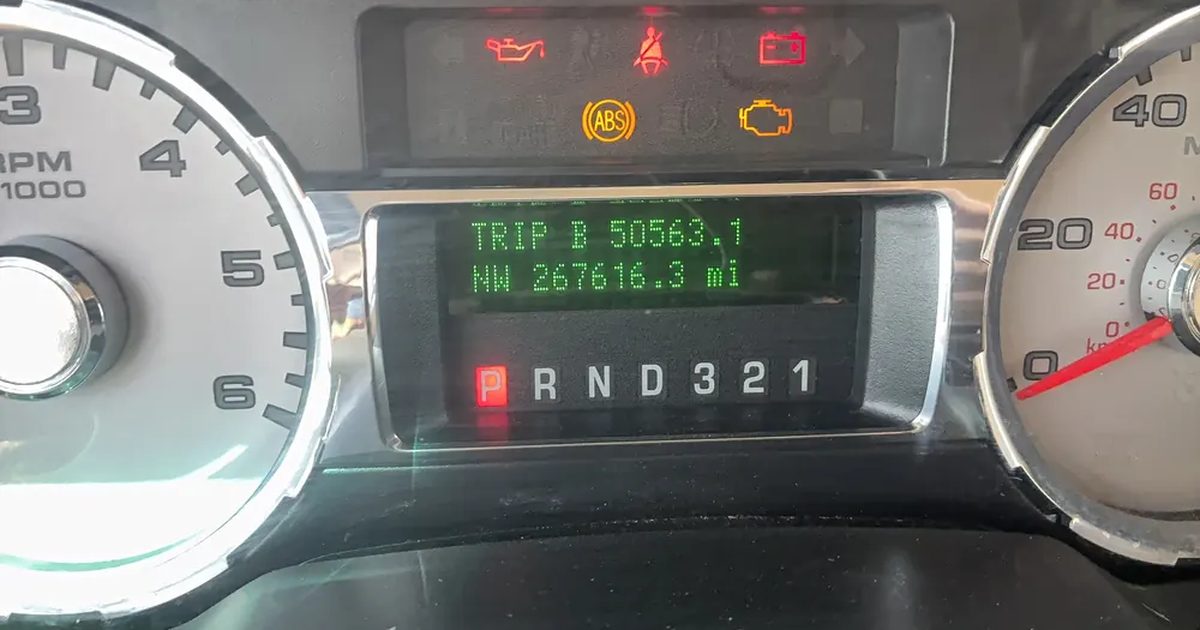
Limp mode is your engine control unit stepping in to protect itself, cutting power and capping RPM so you can limp to a shop instead of stranding on the highway. Most of the time, it comes from an emissions system fault, a boost leak, a fuel rail pressure problem, or a bad sensor. The fix is never clearing the code and moving on. You have to find a safe place to stop, run a real diagnostic scan, repair the actual cause, then clear the codes.
- Most limp mode events come from emissions system faults, especially DEF and SCR problems, which often cause power loss that gets worse over time.
- Intermittent faults like loose connectors or failing sensors may not set codes, so they take live data logging to diagnose.
- Driving long distances in limp mode risks serious damage to the turbo, DPF, or transmission, so get it diagnosed right away.
- A proper diagnosis combines an OBD II scan, live data analysis, and targeted testing instead of guessing or swapping parts.
- Preventive maintenance, like on time filter changes and inspecting the charge air plumbing, makes limp mode far less likely.
12 min read · 10 sections
What Diesel Truck Limp Mode Feels Like
You will know limp mode the moment it hits. The truck loses power fast, the engine feels like it hit a wall around 2,500 or 3,000 RPM, and pressing the pedal harder does almost nothing. Acceleration turns sluggish, hills become a struggle, and passing another vehicle on the highway suddenly feels impossible.
Several diesel platforms use a progressive inducement strategy tied to emissions faults, meaning the truck does not just lose power once. It keeps losing power the longer you drive without fixing the root cause, sometimes stepping down in stages until you are crawling at walking speed. That surprises a lot of owners.
Intermittent limp mode is trickier. If the power loss comes and goes, especially under load or on hot days, you are usually looking at a loose connector, a cracked charge pipe, or a sensor that is failing only under certain conditions. That kind of fault will not always throw a permanent code, which is exactly why a scan tool alone sometimes misses it.
Your dash usually lights up when limp mode kicks in. Watch for these signals.
- Check engine light or malfunction indicator lamp (MIL) turning on
- A dedicated "engine power reduced" or "power derate" message
- DPF or DEF warning icons, sometimes paired with a countdown message
- A speed limit warning, in some trucks progressively lowering the speed to very slow as the fault remains unaddressed
Common Causes Behind Limp Mode in Diesel Trucks
Modern diesel emissions systems trigger limp mode more often than almost anything else under the hood. The exhaust aftertreatment system, made up of the diesel exhaust fluid (DEF) tank and pump, the selective catalytic reduction (SCR) system, NOx sensors, and the diesel particulate filter (DPF), has to hit tight chemical and pressure targets. When it misses those targets, the ECU treats it as a compliance risk and derates power to force a fix.
The EPA's emission standards explain why manufacturers build these strict fail safes into the aftertreatment system in the first place. Regulators hold diesel makers to tight NOx and particulate limits, and the ECU's derate strategy is the manufacturer's way of proving the truck will not keep running dirty. That is also why DEF and SCR issues sit at the top of the list below. They are not a mechanical afterthought anymore. They are the system most likely to put a modern diesel into limp mode.
This is where to look, roughly in order of how often each one shows up.
- DEF and SCR faults. Low DEF level, a frozen or clogged DEF pump, or a NOx sensor reading outside its expected range.
- DPF restriction. Soot buildup that raises exhaust backpressure, often from short trips that never let the filter complete a full regeneration cycle.
- Turbo and boost problems. Code P0299 for underboost, overboost faults, a sticking variable geometry turbo (VGT) vane, or a split charge pipe or loose clamp bleeding off pressure.
- Fuel rail delivery issues. Code P0087 and related codes pointing to low or erratic rail pressure, often from a failing pump or a clogged filter.
- Sensor and wiring faults. Mass air flow (MAF), manifold absolute pressure (MAP), and boost sensors that drift out of range, plus corroded or loose connectors.
- Transmission and lubrication problems. Less common, but overheating transmission fluid or low oil pressure can trigger a limp event too, and these carry their own risk of expensive damage.
What To Do the Moment Limp Mode Hits
Do not panic, and do not try to power through it. Driving long distances in limp mode or under heavy load turns a cheap sensor fix into a turbo, DPF, or transmission repair. The derate is doing its job, and fighting it usually costs you more, not less.
Also resist turning the key off and back on in the hope that it resets. A quick restart can temporarily clear a pending code and mask the very data a technician needs to catch an intermittent fault. Save the reset for after the real diagnosis.
Follow these steps in order.
- Signal early and get to the shoulder or the nearest exit. Limp mode often shows up with little warning, so give other drivers time to see you slowing down.
- Once stopped somewhere safe, reduce the load if you can. If you are towing or hauling a heavy trailer, that extra strain is only pushing a struggling engine harder.
- Do a quick visual check. Look for visible fuel or coolant leaks, check the oil level once the engine has cooled a bit, and look at the charge pipes near the turbo for anything obviously loose or cracked.
- Watch your gauges. Rising coolant temperature, dropping oil pressure, or heavy smoke from the exhaust means stop the engine and call for a tow or a mobile diesel tech rather than continuing.
- Avoid hills and hard acceleration on the drive to a shop. Keep RPM low and steady.
How Technicians Diagnose and Fix Limp Mode
A good technician does not start swapping parts. They start with data.
Costs scale with what the scan finds. A failed sensor or a cracked charge pipe might run a few hundred dollars. A DEF pump, a VGT actuator, or a full DPF replacement climbs into the thousands. That spread is exactly why skipping the diagnostic step is a bad bet. Guessing at parts on a diesel with a bad turbo can cost you three or four times what the real fix needed.
Every technician agrees that clearing the codes without fixing the fault buys you nothing. The ECU will see the same fault condition on your next drive and put you right back into limp mode, often faster the second time.
The diagnostic process usually looks like this.
- Full OBD II scan. This pulls active, pending, and permanent codes, plus freeze frame data that shows exactly what the engine was doing the instant the fault occurred, including engine speed, coolant temperature, and load.
- Live data logging under load. Reading requested versus actual boost, fuel rail pressure trends, EGR command versus actual position, and DPF differential pressure while driving is often the only way to catch an intermittent fault that a static scan misses.
- Targeted tests. A smoke test finds boost leaks in charge pipes and clamps. A pressure test on the fuel rail confirms whether P0087 points to the pump, the filter, or a rail sensor. Actuator command tests check whether a VGT turbo is physically moving when the ECU tells it to.
- DEF and NOx system checks. Verifying DEF quality and level, testing pump function, and confirming NOx sensor readings are plausible rules the aftertreatment system in or out.
- Wiring and connector inspection. Corrosion or a loose pin at a MAF, MAP, or boost sensor connector can mimic a much bigger mechanical failure.
Preventing Future Limp Mode Events
Most limp mode calls trace back to deferred maintenance rather than a random part failure. A few habits go a long way toward keeping your truck out of the shop.
Fleets can go a step further. Telemetry that flags rising DPF differential pressure or falling DEF levels before they hit a fault threshold turns an expensive roadside limp event into a scheduled maintenance visit.
- Change fuel filters, air filters, and oil on schedule, and keep the DEF tank filled with fluid that meets ISO 22241 quality specs. Contaminated or diluted DEF is a common, avoidable trigger.
- Inspect charge air plumbing, hose clamps, and vacuum lines every service interval. A $15 clamp is a lot cheaper than the boost leak it prevents.
- Check your battery and charging system regularly. A weak battery or a bad ground can cause sensor noise that looks exactly like a mechanical fault on a scan tool.
- Plan longer highway drives now and then so the DPF can complete a full regeneration cycle. Short city trips alone lead to soot buildup and restriction faults.
Finding a Technician Who Reads the Data
Once limp mode hits, a technician who actually reads freeze frame and live data, instead of guessing, matters more than almost anything else.
A mobile diagnostic visit has a real advantage here. A tech capturing live data on site, under the same load and conditions that triggered the fault, often catches an intermittent issue that would never show up on a truck sitting cold in a shop bay days later. For owners who want to understand the process themselves, MechanicRank's diagnostics and drivability study guide covers OBD II scanning and live data basics in plain language.
Our Take on Limp Mode
The biggest mistake owners and even some shops make is jumping straight to parts. A turbo gets replaced because "it felt like a boost problem," when live data would have shown a stuck VGT actuator or a simple split hose in ten minutes. Scan first, read live data second, and only then decide what to replace. That order saves more money than any single repair skill.
There is also a judgment call a lot of owners miss. If your gauges look normal, the smoke is not excessive, and the truck is drivable at reduced power, a mobile diesel diagnostic tech coming to you is usually smarter than paying for a tow. You save the flatbed fee and the tech gets to see the fault under real conditions instead of a cold engine in a bay.
One habit separates a quick fix from a repeat visit. Write things down. Note what the dash said, what you were doing when it happened (climbing a grade, towing, cold start), and any warning that flashed before the derate. That context, paired with freeze frame data, is often what turns a guessing game into a same day repair.
Get Your Truck Diagnosed the Right Way
Towing a diesel across town for a diagnostic scan wastes a day and can cost more than the repair itself. MechanicRank lists mobile mechanics and diesel specialists who come to your truck, so the live data gets captured where the fault actually happens.
Search MechanicRank to find a mobile diesel mechanic near you who offers same day service, so your truck gets looked at while the fault is still fresh instead of after a weekend of guessing. If you want to understand the diagnostic process yourself before a tech shows up, MechanicRank's free diagnostics study guide walks through OBD II codes, freeze frame data, and live logging step by step. Once you know what a repair should cost, the repair cost guides help you check a quote against a fair range before you approve any work.
Like this? Add MechanicRank to your Google sources
Reading List
- Understanding Diesel Engine Limp Mode and Recovery Options
- What is diesel limp mode?
- All EPA emission standards
Owners Ask Us
How do I get my diesel out of limp mode?
Find the root cause with a full OBD II scan and live data check, repair the fault, then clear the codes. Clearing codes without the repair only brings limp mode back.
How do I get my Duramax out of limp mode?
The process is the same as for any diesel. Scan for active and pending codes, check DEF, DPF, and boost related data, fix whatever the scan and live data point to, then clear the codes. Duramax trucks commonly show turbo, DEF, or EGR related faults tied to limp events.
What causes a diesel truck to go into limp mode while driving?
The most common causes are DEF or SCR faults, DPF restriction, turbo underboost from a leak or sticking VGT, low fuel rail pressure, and sensor or wiring problems. Emissions system faults, especially DEF and NOx sensor issues, are among the most frequent triggers on modern trucks.
How do you bypass DEF limp mode?
There is no safe bypass. DEF related limp mode exists because the emissions system detected a real problem, and forcing your way around it risks bigger repair bills and possible emissions compliance issues. Fixing the DEF level, pump, or NOx sensor is the only real solution.
Picked for You
Own a shop or a mobile operation?
Your free MechanicRank listing is one of the citations this article talks about. Claimed listings get an owner badge, a photo gallery, and a green star on the map.
Claim Your Free Listing →