Car Won't Start at Home? Diagnose the 4 Common Causes and Get Same Day Help
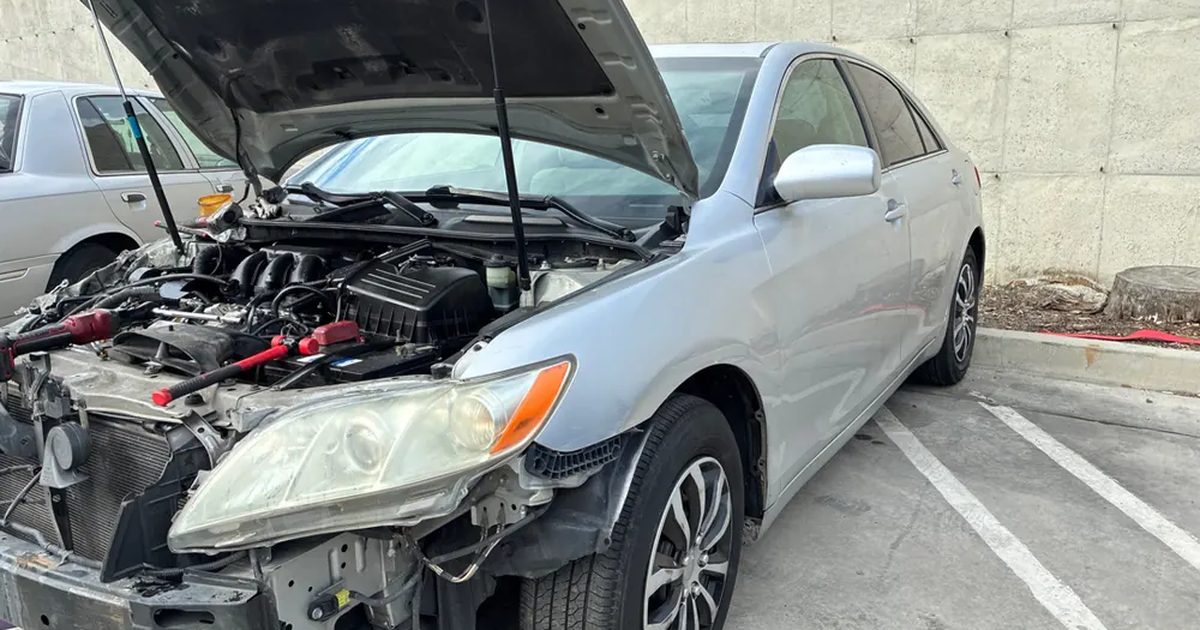
Your car won't start at home for one of four main reasons, which are a dead battery, a bad starter, a fuel delivery problem, or an ignition and security system glitch. Check your dash lights and gas gauge first, since those two clues point you toward the right fix in seconds. If the engine cranks fast but never catches, or you smell fuel, stop and call a mechanic instead of trying anything else.
- Most no start problems come from an old, corroded, or drained battery, which terminal cleaning and a load test can often sort out.
- A single click with bright dash lights points to the starter relay or solenoid, rapid clicking points to a weak battery, and no sound or lights at all points to a dead battery or loose connection.
- If the engine cranks strongly but does not start, the problem is fuel delivery or ignition spark, not the battery.
- When the engine cranks but won't catch, listening for the fuel pump hum and checking the pump fuse tells you whether fuel is the issue.
- Reading the sounds and dash lights before you start tinkering keeps you from paying for the wrong repair, and tells you when a symptom is serious enough to stop.
13 min read · 11 sections
Quick Symptom Checks When Your Car Won't Start at Home
The fastest way to figure out what's wrong is to listen. The sound your engine makes when you turn the key tells you which system to blame long before you pop the hood.
A dead or weak 12 volt battery causes most no start problems and usually shows up as slow cranking or rapid clicking. The smartest diagnostic path is splitting the issue into no crank versus crank but no start, since those two categories send you toward completely different fixes.
Turn on your headlights before you try to start the car. If they dim or flicker when you turn the key, you may have your answer before you touch a tool. Then run through these checks in order.
- Turn the key and watch the dash. No lights and no sound at all usually means a dead battery or a loose terminal.
- Listen for clicking. A single loud click with bright lights often points to the starter relay or solenoid. Rapid, weak clicking usually means a low battery or a poor connection to the starter.
- Try cranking. If the engine turns over strongly but won't fire, that is a fuel or spark problem, not an electrical one.
- Check for lights with no crank. If the lights work fine but nothing happens when you turn the key, look at the starter motor, the neutral safety switch, or the shift interlock.
Battery and Electrical System Checks You Can Do at Home
Start with your eyes before you reach for tools. Pop the hood and look at the battery terminals for white or greenish crust. That buildup is corrosion, and it blocks the electrical connection even when the battery itself is healthy.
If the battery tests weak, jump starting is the next move. Connect the red cable to the dead battery's positive terminal first, then to the donor battery's positive terminal. Connect the black cable to the donor's negative terminal, then make the last connection on an unpainted metal surface on your own engine, not on the dead battery. This keeps sparks away from the battery in case it's venting gas.
Once the engine runs, a quick voltage check tells you whether the battery or the alternator is the real problem. A healthy charging system reads about 13 to 14 volts with the engine running. If you're consistently below that, the alternator likely can't keep up, and that's a job for a shop, not a driveway fix.
If your key fob suddenly stops talking to the car, try a fresh fob battery before assuming the immobilizer has failed. A worn out button cell inside the fob is a common, cheap culprit that mimics a much scarier problem. For background on battery types and which one fits your vehicle, MechanicRank's guide to AGM versus flooded batteries explains the differences plainly.
To clean the connection, follow the first four steps below. If the terminals were already clean, the last three items are signs the battery itself is weak.
- Turn off the car and remove the negative terminal first, then the positive.
- Scrub each terminal and post with a wire brush or an old toothbrush and a mix of baking soda and water.
- Reattach the positive terminal first, then the negative, and tighten both firmly.
- Try starting the car again before assuming you need a new battery.
- Dim or flickering interior lights when you turn the key
- A dashboard that lights up but an engine that won't crank
- A battery more than three years old with no recent replacement
Fuel and Engine Checks for a Car That Cranks but Won't Fire
If your engine cranks fine but never catches, fuel is the next place to look. Confirm you actually have gas first. It sounds obvious, but a faulty fuel gauge can read a quarter tank when the tank is nearly empty.
If you smell strong gasoline and the engine cranks over and over without starting, the engine may be flooded. Press the gas pedal all the way down and hold it while cranking for about ten seconds. This tells modern fuel injected engines to cut fuel delivery and clear the excess. If that doesn't work after two tries, let it sit for a few minutes before trying again.
If the fuel pump primes normally and the tank has gas, the problem is more likely a bad ignition coil or a failing crank sensor than fuel delivery. Don't run the battery down chasing a fuel problem that doesn't exist.
Common fuel culprits include an empty tank, a failed fuel pump, or a blown fuel pump relay, and you can often confirm the pump is working just by listening for it to prime. Check these points.
- Turn the key to the "on" position without starting and listen for a brief hum from the back of the car. That is the fuel pump priming.
- No hum at all could mean a dead fuel pump or a blown fuel pump relay.
- Check your fuse box for a blown fuel pump fuse before assuming the pump itself failed.
Starter, Ignition, and Security System Troubleshooting
The sound your starter makes tells you almost everything. A single sharp click with strong dash lights usually means the starter relay, solenoid, or motor is the problem rather than the battery. Rapid clicking points to weak power reaching the starter, not the starter itself.
Technicians check Park and Neutral and the brake interlock before blaming the starter. If you've ruled out the relay, the fuses, and the shift interlock and still get nothing, the starter or ignition switch likely needs a shop's diagnostic tools. Before you get there, try these.
- Shift into Neutral and try starting. If the car starts in Neutral but not Park, the transmission range switch or a shifter adjustment may be the cause, not the starter.
- Press the brake pedal firmly while turning the key. A worn brake light switch can keep the shift interlock from letting the car start.
- Find the starter relay in your fuse box and swap it with an identical relay from another circuit to rule out a bad relay.
- Watch your dash for a blinking security or key symbol, which points to an immobilizer fault rather than a mechanical starter problem.
When to Call a Mobile Mechanic or Roadside Assistance
Some symptoms mean you should stop troubleshooting and call for help. Trust your ears here more than your urge to keep trying.
Before you call anyone, write down what you heard and saw. Note whether the dash lit up, whether you heard clicking, and how much gas is in the tank. That information cuts diagnostic time significantly once a technician arrives.
MechanicRank's repair cost guides give you a starting point for budgeting. A car battery replacement typically runs $150 to $390, a starter replacement falls between $245 and $750, and alternator work often lands higher because of labor time. A same day mobile mechanic can often diagnose and fix these problems in your driveway, which beats paying for a tow just to sit in a shop waiting room.
Call a professional right away if you notice any of these red flags. An engine that cranks unusually fast without catching is the most urgent, because it can point to serious internal engine damage.
- A grinding metal noise when you turn the key, which can mean starter gear damage
- The engine cranking unusually fast without ever catching, which can signal a timing belt or compression failure
- A strong fuel smell inside or under the car
- Smoke, sparks, or a burning smell from the engine bay
Simple Habits That Prevent a No Start Situation
A little maintenance goes a long way. Most no start problems give warning signs if you pay attention.
Check your battery terminals every time you change your oil, and set a phone reminder so you don't forget. Corrosion builds slowly, and catching it early keeps you from getting stuck in a cold driveway. A few other habits help too.
- Have your battery tested once a year after it passes the three year mark
- Turn off interior lights and unplug chargers when you park to avoid parasitic drains
- Keep at least a quarter tank of gas, especially in cold weather, to avoid fuel line freeze and sediment pickup
- Keep jumper cables, a flashlight, and a portable jump starter pack in your trunk
Where MechanicRank Fits Once DIY Checks Run Out
The checks above follow the no crank versus crank but no start split described by CarParts.com, along with guidance from AAA, GEICO, and Kelley Blue Book.
When the driveway checks run out, looking at a mechanic's ratings before you book saves you from a second bad experience on top of a car that won't start. This is what MechanicRank offers at that point.
- Listings for shops and mobile mechanics in many cities and states, with same day mobile repair available in many areas
- Repair cost guides with typical ranges for common repairs, so you have an idea of fair pricing before a mechanic arrives
- Ratings from public customer reviews, so you are not guessing which shop does good work
- Owner-verified listings, where the business owner has claimed the listing
What Actually Matters When Your Car Won't Start
A no start can feel mysterious, but most cases are not. The large majority trace back to a battery that is old, corroded, or drained, and the fix often takes five minutes with a wire brush.
The usual advice to "check the battery" rarely explains what that means. Checking the battery is not glancing at it. It means cleaning the terminals, testing voltage under load, and watching how your headlights behave when you turn the key. That is the difference between guessing and diagnosing.
Go by sound and dash behavior every time. A single click tells a different story than rapid clicking, and confusing the two sends people toward the wrong repair. Once you've ruled out battery, fuel, and starter issues with the checks above, stop tinkering. Fast cranking with no catch, grinding, or a fuel smell are not DIY territory, and pushing on anyway risks turning a $200 fix into a much bigger bill.
Get Same Day Help Through MechanicRank When DIY Isn't Enough
When your driveway diagnostics hit a wall, MechanicRank is an alternative to calling random shops or waiting on a tow truck. You can search owner-verified listings and compare ratings from public customer reviews before anyone touches your car.
If your checks point to a starter, battery, or fuel pump problem you can't finish yourself, a mobile mechanic can often fix it the same day right in your driveway, with no tow and no waiting room. Browse the repair cost guides to see what a fair price looks like for your specific issue, then search MechanicRank for a provider near you so you know your options before you spend a dollar.
Like this? Add MechanicRank to your Google sources
Reading List
- Why Won't My Car Start? (Kelley Blue Book)
- Automatic Car Won't Start, No Crank vs Crank No Start (CarParts.com)
- What to Do if Your Car Won't Start (GEICO)
- 14 Reasons Why Your Car Won't Start (AAA)
Owners Ask Us
What's wrong with my car if it won't start but has power?
If the dash lights and radio work but the engine won't crank, the problem is likely the starter motor, a bad starter relay, or a neutral safety switch blocking the signal, not the battery.
How do I revive a dead car battery at home?
Clean the terminals with a wire brush and baking soda solution, then jump start the car using a donor vehicle or a portable jump pack, connecting the ground cable to your own engine block rather than the dead battery.
Why would my car not start out of nowhere?
Sudden no start problems are usually caused by a battery connection that finally corroded through, a blown fuse, or a fuel pump relay that failed without warning, since these parts often fail suddenly rather than gradually.
What is the first thing to check when a car won't start?
Check your dash lights and listen when you turn the key. Whether the engine fails to crank or cranks without starting tells you within seconds whether you're dealing with an electrical, fuel, or starter problem.
Picked for You
Own a shop or a mobile operation?
Your free MechanicRank listing is one of the citations this article talks about. Claimed listings get an owner badge, a photo gallery, and a green star on the map.
Claim Your Free Listing →