Oil Leak in Your Driveway? Stop the Car and Check the Dipstick First
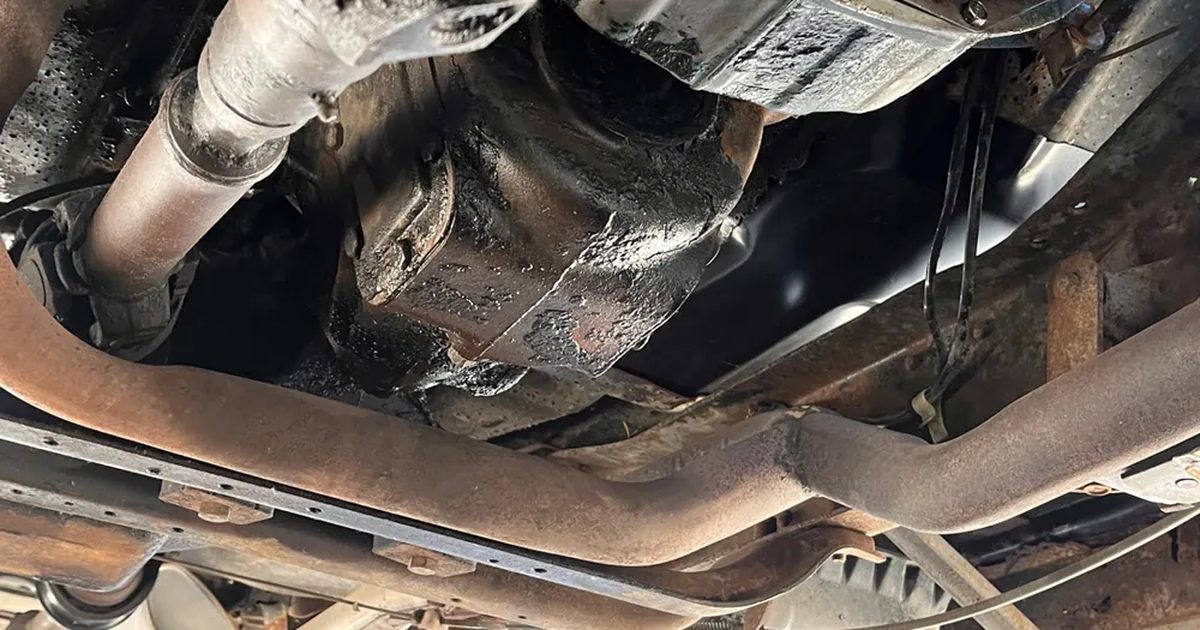
If you spot an oil leak in your driveway, stop driving the car right away and check the dipstick before you do anything else. Active dripping onto hot exhaust parts can cause smoke or fire, so treat this as urgent, not optional.
A typical diagnostic visit runs about $100 when the leak source isn't obvious, and full repairs commonly land between $600 and $1,000 depending on the part involved. Checking your oil level regularly and getting a diagnosis as soon as a warning light appears can save you from thousands in engine damage down the road.
A simple three step plan gets you to a fix fast.
- Stop driving and park on level ground.
- Pull the dipstick, check the level, and snap a photo of the puddle location.
- Find a mobile mechanic on MechanicRank for a same day diagnosis at your address.
10 min read · 10 sections
What to Remember
Fixing a driveway oil leak fast, with a proper on-site diagnosis, is the best way to keep a $300 gasket job from turning into a major engine repair.
- Stop driving immediately. Park on level ground, check the dipstick, and avoid any drive if oil is hitting the exhaust.
- Trace to the highest wet point. Mechanics use cleaning, UV dye, or a developer method to find the real source, not the lowest drip.
- Match cost to cause. Expect $100 for diagnosis alone and $600 to $1,000 for typical full repairs depending on the part.
- Vet the mechanic by phone. Ask about on site diagnostics, fees, and travel time before booking anyone.
How Does a Mechanic Trace an Oil Leak in Your Driveway?
A mechanic works through a clear sequence to find the real source of an oil leak, not just where it looks worst on the ground. You can speed that up. Before the mechanic arrives, take two or three photos of the puddle and the underside of your car, and have your mileage, oil brand, and last oil change date ready.
A careful mechanic avoids steam cleaning right before the inspection, since it washes away the very trace they need to follow, and stays clear of hot exhaust components during testing. If the leak looks severe or the car won't safely start, they'll recommend towing instead of a test drive.
The sequence usually runs like this.
- Visual check and oil level reading. The tech looks at the puddle shape, checks the dipstick, and notes how low the oil has dropped.
- Clean the engine area. Wiping down the block and undercarriage removes old grime so fresh oil stands out clearly.
- Find the highest wet point. Oil runs downhill and gets pushed around by airflow, so the true source sits at the highest fresh wet spot, not the lowest drip.
- Apply a trace method if needed. For grimy engines, a mechanic may use UV dye or a developer method such as Magnaflux Spotcheck, which turns white over dry metal and shows damp traces wherever fresh oil has reached the surface.
- Warm the engine or take a short drive. Some leaks only show up under heat and pressure, which is why a warmed engine reveals slow leaks that sit hidden at idle.
Is It Safe to Drive With an Oil Leak?
No, not if oil is actively dripping onto hot exhaust parts or the level has dropped low enough to trigger a warning light. Smoke, a burning smell, or oil hitting the exhaust manifold means you should stop driving and call for help rather than risk a fire.
If oil is pooling near the exhaust or you smell burning, don't drive even a short distance. Call for a tow instead of a mobile repair visit, since safety outranks convenience every time.
While you wait for the mechanic, a few simple steps help without making things worse.
- Park on level, solid ground and chock the wheels if the car will sit for a while.
- Top off oil only if the dipstick reads low and you have the correct type on hand.
- Lay down absorbent material like cat litter or a shop mat to limit driveway staining.
- Avoid power washing near the engine bay, since spraying water into electrical connectors can cause new problems.
- Skip DIY gasket work unless you already have the tools and torque specs, since a bad reseal often leaks worse than before.
How Do You Choose a Trustworthy Mechanic for a Driveway Repair?
A short phone call tells you almost everything you need to know before a tech ever shows up.
Ask directly whether they perform on-site diagnostics, what the diagnostic fee covers, and how long the drive to your address will take. A shop that can't answer all three clearly is worth skipping. Ask, too, whether they use a dye or developer method for hard to find leaks, since guessing at the source leads to repeat visits and repeat bills.
Watch for red flags. Evasive answers about how they'll find the leak, a suspiciously low quote for a job that usually needs hours of labor, or a refusal to document what they find before starting work should each send you to a different provider. A mechanic confident in the diagnosis will text or email photos of the confirmed leak source before you approve the repair, so ask for them.
Before booking, check these four things.
- Certifications or trade credentials for the technician.
- Transparent, itemized pricing before work begins, not just a vague ballpark.
- Photos of prior completed repairs, ideally similar to your issue.
- Local reviews you can actually read, which MechanicRank lists alongside mobile mechanics in your area.
What Should You Expect From the Repair Timeline and Parts?
Parts come in two flavors. OEM parts match the automaker's original spec and usually cost more, but they tend to fit and seal more predictably. Aftermarket parts save money upfront and vary more in quality between brands, so ask which one the shop plans to use before they start.
A clear diagnosis upfront, backed by photos and a specific part identified, is what keeps a $300 estimate from turning into a $900 surprise once the job is underway.
Most reputable shops offer a short warranty, often 90 days to a year on parts and labor for gasket work. Get the warranty terms in writing before you approve anything, especially for pricier jobs like a rear main seal or related engine work.
Simple fixes move fast, while complex ones take real time and planning. Typical timelines look like this.
- A valve cover gasket or oil filter fix often takes one to two hours.
- A timing cover gasket usually runs half a day given the extra components involved.
- A rear main seal can take a full day or more if the transmission has to come out.
Common Leak Sources and What They Cost
A handful of parts account for most driveway oil leaks, and each tends to leave its own clue. They are the first checklist any competent mechanic runs through, and matching your symptom to the list helps you understand what you're paying for.
Labor typically accounts for the majority of the bill. The rear main seal costs so much more because many vehicles need the transmission pulled to reach it, so access difficulty, not the part itself, drives most of the price swing you'll see between shops. The diagnostic fee, usually rolled into the final invoice if you approve the repair, pays for the tracing steps above rather than a flat guess at the problem.
This is how the usual suspects compare.
- Valve cover gasket. Parts and labor costs vary widely with the vehicle and how complex the job is.
- Oil pan gasket. Costs also span a wide range, depending on the vehicle and the situation.
- Timing cover gasket. Typically $300 to $600.
- Oil filter or cap. Worth ruling out first, since it is one of the most frequent culprits.
- Rear main crankshaft seal. Typically $600 to $1,000.
Why Early Diagnosis Beats Waiting It Out
Small leaks rarely stay small. Oil that keeps dripping onto a hot exhaust or drops low enough to starve the engine of lubrication turns a $200 gasket job into a $3,000 rebuild fast, and that gap is what people underestimate most. Getting a mechanic on site the same day you spot the leak is almost always the smarter move over towing, as long as the car isn't smoking or actively pooling oil near the exhaust.
Get a Mobile Mechanic to Your Driveway Today
Waiting days for a shop appointment while oil keeps dripping on your driveway isn't a real option when the leak might be getting worse by the hour. MechanicRank lists mobile mechanics who come to your address, and you can ask each one to run the on-site diagnostic process covered above and give you an itemized price before any work starts.
Listings show ratings from public customer reviews, and the repair cost guides let you check whether a quote is in line, so you're not gambling on a stranger from a random search. Technicians who pass the mobile and roadside certification track show that badge on their listing. If you're ready to stop guessing at the puddle in your driveway, head to MechanicRank and request a quote.
Like this? Add MechanicRank to your Google sources
Reading List
- How Much Does It Cost to Repair Car Oil Leaks
- Diagnostic Test. Engine Oil Leaks. Oil Developer Method
- How To Track An Engine Oil Leak Without Guessing
- Car oil leaks. How to spot and fix them
Owners Ask Us
How Much Does It Cost to Fix an Oil Leak?
Full repairs commonly run $600 to $1,000, while a standalone diagnostic visit runs about $100 when the source isn't obvious.
Can I Drive With a Small Oil Leak?
Only if oil isn't reaching hot exhaust parts and your level is still in a safe range. If you smell burning or see smoke, stop driving and call for help.
What Is the Most Common Source of an Oil Leak?
Valve cover gaskets, oil pan gaskets, and the oil filter or cap are the most frequent culprits, each with a distinct puddle pattern.
How Do Mechanics Find the Exact Leak Source?
They clean the area, then trace to the highest fresh wet point, sometimes using UV dye or a developer method on grimy engines.
Should I Get a Mobile Mechanic or Tow My Car?
If the car is safe to sit but not to drive, a mobile mechanic you find on MechanicRank can often diagnose and repair it on site the same day. If oil is actively hitting hot exhaust parts, tow it instead.
Picked for You
Own a shop or a mobile operation?
Your free MechanicRank listing is one of the citations this article talks about. Claimed listings get an owner badge, a photo gallery, and a green star on the map.
Claim Your Free Listing →