What to Do When Your Car Overheats on the Highway (and Avoid a $2,000 Repair)
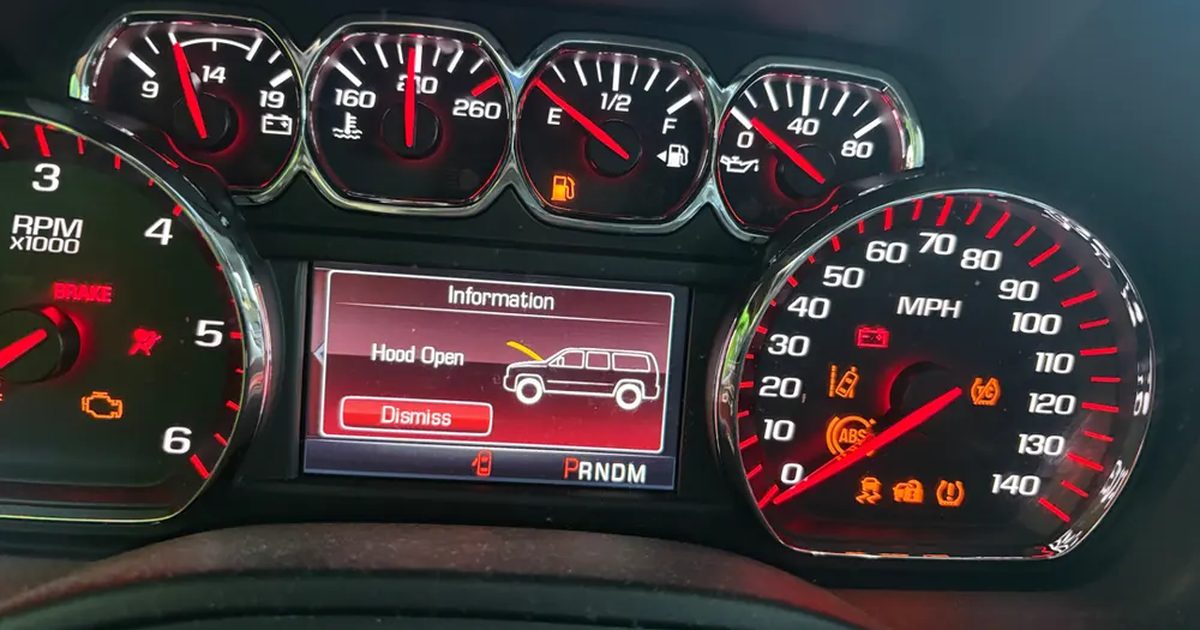
Pull off safely, turn off the A/C, and turn the heat up full blast. If you see steam, shut the engine off and wait 15 minutes before touching the hood. Acting right away can often save you from a warped head or blown gasket. If the gauge climbs again after you restart, stop and call a tow instead of pushing on.
- Overheating at highway speed often comes from a partially clogged radiator, a sticking thermostat, or a weak water pump, problems that only show up under sustained heat.
- A cooling system can pass a casual visual inspection and still fail under load, because a clogged radiator or a hose that collapses under suction looks normal at rest.
- Always wait at least 15 minutes after shutting the engine off before opening the hood, since pressurized coolant can spray and cause serious burns.
- Regular coolant flushes, radiator inspections, and replacing worn parts prevent most highway only overheating.
- Steam, coolant loss, or a gauge spike means stop driving now. Pushing on risks expensive engine damage.
11 min read · 9 sections
Car Overheating on the Highway? What to Do in the First 5 Minutes
The first move is getting off the road, not fixing the problem. Slow down gradually, put on your hazard lights, and head for the nearest shoulder, exit ramp, or rest stop. Speed matters here, because a few more minutes of driving at high heat can turn a $400 repair into a $2,000 one.
After you restart, keep an eye on the temperature gauge for the next mile or two. If it climbs back into the red within a few minutes, stop again and call for a tow rather than risk driving further.
Once you are stopped in a safe spot, follow these steps in order.
- Shift into park and turn off the A/C completely.
- Turn the heater to full hot and the fan to high. This pulls heat away from the engine and into the cabin, buying you time before real damage sets in, according to AAA's overheating guidance.
- Turn off the engine if you see steam, smoke, or smell something burning.
- Wait at least 15 minutes before popping the hood. Pressurized coolant can spray out and cause serious burns if you open things up too soon, Firestone Complete Auto Care warns.
- From a safe distance, look for steam near the radiator, puddles under the car, or coolant dripping from hoses. Do not touch the radiator cap, hoses, or any metal near the engine while it is warm.
Why Do Cars Overheat Only at Highway Speed?
A car that runs cool in town but spikes on the highway is telling you something specific. The cooling system works under light load but fails once the engine has to work hard for a sustained period. At highway speed the engine produces far more heat than in stop and go traffic, which pushes a marginal cooling system past its limit.
A partially clogged radiator often looks completely normal from the outside. It can pass every visual inspection and still fail under the one condition that matters most, which is sustained highway load. These are the most common culprits behind this pattern.
- A partially clogged radiator core. Internal scale or debris restricts coolant flow just enough to handle city driving but not sustained highway heat. This can even leave cool spots on the radiator surface that pass a casual visual check.
- A sticking thermostat. It may open enough for light loads but not fully when the engine needs maximum coolant flow.
- Water pump problems, including a worn impeller or cavitation at high RPM, which reduce circulation exactly when you need it most.
- A collapsed lower radiator hose, where suction from the pump crushes a weakened hose wall under high flow demand.
- Airflow blockages or a failing electric fan, often from bad wiring or a dead relay, which becomes obvious once the car sits in traffic after a highway run.
- Less common causes like an incorrect coolant mix or early head gasket failure, which tend to show up as a slow, persistent temperature creep rather than a sudden spike.
How to Check Your Car Safely After It Cools Down
Once the engine has cooled for at least 15 to 30 minutes, you can gather information that will help a mechanic diagnose the issue faster.
If you are not confident doing any of this, or the symptoms point toward a head gasket, skip the DIY route and get a mechanic's opinion. Otherwise, work through these checks in order and stop if anything looks unsafe. The last four points show what your findings most likely mean.
- Check the coolant level in the plastic overflow tank first. It has "low" and "full" markings and does not require opening anything pressurized.
- Only remove the radiator cap if the engine is fully cool to the touch, and turn it slowly to release any remaining pressure. If you added coolant, GEICO recommends driving slowly to a repair shop afterward rather than resuming highway speed.
- Look at hose condition, check the radiator fins for dirt or bent sections, and see whether the cooling fan spins when the engine is running and hot.
- Feel the upper and lower radiator hoses after a short test run near your home or in a parking lot, not on the highway. If the upper hose is hot but the lower one stays cool, that points to a thermostat or flow restriction. If both hoses feel warm but the flow seems weak, a worn water pump or collapsed hose is more likely.
- Coolant low with no visible leak usually means a slow leak or evaporation over time. Top off and monitor closely.
- Upper hose hot and lower hose cool points to a stuck thermostat or restricted flow. Get a thermostat check.
- Both hoses warm with weak flow points to a worn water pump or collapsed hose. Get a water pump inspection.
- Steam, white smoke, or oily coolant points to possible head gasket failure. Stop driving and call a tow.
When to Stop Driving and What Repairs Typically Cost
Some signs mean you stop now, no exceptions. Heavy steam, coolant loss you cannot explain, a gauge that spikes again shortly after restarting, milky looking oil, or white smoke from the exhaust all point to serious trouble. Driving on with any of these risks a warped head or a full engine rebuild.
A quick roadside top off can get you to a shop, but it only delays failure if the underlying cause is a bad thermostat, weak pump, or collapsed hose. When you call a tow or a shop, tell them exactly when the overheating started, whether it happens only at highway speed, and any smells, smoke, or gauge behavior you noticed.
How to Prevent Overheating Before Your Next Highway Trip
Most highway overheating traces back to routine maintenance that got skipped. A coolant flush or thermostat swap resolves a large share of highway only overheating cases before they ever become an emergency, according to Jiffy Lube's repair guidance.
If a hose or thermostat looks borderline during an inspection, replace it before the trip. A $150 thermostat job is a lot cheaper than a tow truck and a hotel room off the interstate. Build these habits into your routine, especially before a long drive.
- Follow your manufacturer's coolant service interval and use the correct coolant mix, since the wrong ratio reduces heat transfer.
- Check hoses for soft spots, cracks, or bulges, and inspect belts and radiator fins for damage or debris at every oil change.
- Confirm your cooling fan kicks on when the A/C is running or the engine gets hot while idling.
- Before a long highway trip, top off the coolant, check for leaks under the car, and pack a basic kit with extra coolant, a flashlight, and your mechanic's contact info.
The Most Expensive Mistake Drivers Make
Most drivers wait too long to pull over because the car "still feels fine." That hesitation is the single most expensive mistake in this whole scenario. A cooling system that fails only at highway speed is usually a small, fixable problem if it's caught early and an expensive one if it's caught late.
Finding a shop or mobile mechanic shouldn't add to the stress of a roadside breakdown. Repair cost guides and mobile mechanic listings help when you need answers fast and a real person to call.
Get Roadside Help or Compare Repair Costs Fast
If your gauge just spiked on the interstate, you need two things quickly, someone who can look at the car today and a realistic idea of what the fix should cost. MechanicRank helps with both. Instead of calling around blind or waiting on a generic tow dispatch, you can see mobile mechanics and shops near you along with ratings from public customer reviews.
Search MechanicRank to find a mobile mechanic or compare local shops before you commit to a tow. To check whether an estimate is fair before any work starts, browse the repair cost guides for thermostats, radiators, water pumps, and head gaskets.
Like this? Add MechanicRank to your Google sources
Reading List
- Engine Overheating Solutions, Quick Fixes and Safety Advice (GEICO)
- What to Do if Your Car Is Overheating and How to Prevent It (AAA Via)
- Firestone Complete Auto Care, what to do when a car overheats
Owners Ask Us
Why Does My Car Overheat When I Drive Over 60 MPH?
At higher speeds your engine produces significantly more heat, and a marginal cooling system that handles city driving fine can fail once flow demand rises. A partially clogged radiator, a sticking thermostat, or a weak water pump are the most common reasons this shows up only at speed.
Why Does My Car Overheat While Sitting in Traffic?
Sitting in traffic reduces airflow through the radiator, so if your fan or fan wiring is failing, the engine can overheat from lack of cooling air even at low speed. This is a different failure from highway overheating, which usually points to a flow or pump issue instead.
Why Does My Car Overheat on the Highway but Not in the City?
City driving rarely pushes your cooling system to its limit, so a partially clogged radiator or weak water pump can go unnoticed for months. Sustained highway speed exposes that hidden weakness because the engine needs maximum coolant flow to keep up with the heat it generates.
Can a Car Overheat and Still Be OK?
Yes. If you catch it early, pull over immediately, and let the engine cool before restarting, you can often avoid lasting damage. Driving on with a redlined gauge, steam, or white exhaust smoke is what turns a minor issue into an expensive one.
Picked for You
Own a shop or a mobile operation?
Your free MechanicRank listing is one of the citations this article talks about. Claimed listings get an owner badge, a photo gallery, and a green star on the map.
Claim Your Free Listing →