Fix Parked Coolant Leaks Early to Avoid a Four Figure Repair
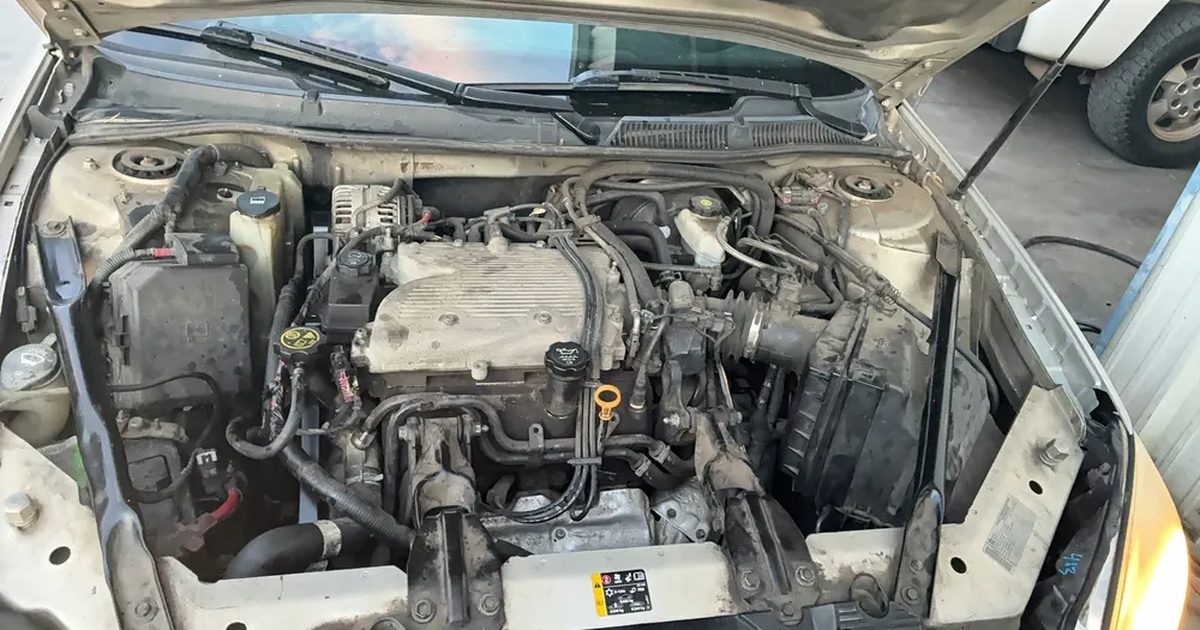
If you see coolant under your parked car, the most likely cause is a heat soak pressure leak from a cap, hose, or water pump. Check the reservoir once the engine is fully cold, and top it off to the MIN line only if it's safe to do so. A puddle bigger than a saucer, or a reservoir sitting below MIN, means you should stop driving and call for a tow instead of risking bigger engine damage.
- Coolant leaks that appear after parking are most often caused by a loose radiator cap or a seeping hose clamp, both usually cheap and easy to fix.
- A large puddle or a reservoir below the MIN mark means a high risk of engine damage and calls for a tow. A small leak with the reservoir near full may only need a quick inspection.
- A visual check after the engine cools, followed by a pressure test at a shop if nothing shows, is the reliable way to find a hidden leak.
- Water pump or head gasket repairs can cost anywhere from a few hundred dollars to well over a thousand, depending heavily on labor access and complexity.
- Photos of the puddle, the fluid color, and the reservoir level help a mechanic diagnose faster and keep you from paying for repairs you don't need.
10 min read · 8 sections
Ranking the Most Likely Causes of a Parked Car Coolant Leak
Coolant only shows up after you shut the engine off because of pressure. Your cooling system runs at about 13 to 16 psi when it's warm, and that pressure sticks around for 10 to 30 minutes after you park because the engine is still holding heat. Airflow while driving keeps seals cool and tight. Once you stop, a marginal seal that held fine on the road can weep as soon as that heat soak window hits.
A weak radiator cap or a seeping hose clamp accounts for a large share of the parked only leaks owners report. Beyond those two, this is how to rank suspects based on where you find the puddle and what it looks like.
- Radiator cap or overflow tank. The puddle is near the front, and the cap feels loose or its rubber seal looks cracked. Cheap fix, easy DIY.
- Radiator hoses and clamps. Look for a wet trail along a hose or crusty white or green residue at a clamp. Usually an easy fix, sometimes just a clamp tightening.
- Water pump weep hole. Drips land centered under the front middle of the engine, often with a high pitched whine while it runs. Moderate difficulty and a shop job for most owners.
- Cracked reservoir tank. Fluid pools right below the plastic tank, sometimes with a visible hairline crack. Easy to moderate, cheap part.
- Thermostat housing gasket. Seepage shows near the top of the engine where the upper hose connects. Moderate difficulty.
- Heater hoses. The puddle sits further back toward the firewall, sometimes inside the engine bay near the cabin. Moderate, and can be labor heavy depending on access.
- Bleed screws. Tiny drips near hose junctions, easy to miss unless you look closely.
How Do You Find a Coolant Leak Yourself?
Damp carpet, a sweet smell from the exhaust, or fog on the inside of your windshield point to something more serious than a hose. That combination usually means a heater core or internal leak, which needs a shop's diagnostic equipment rather than a flashlight in your driveway.
For anything else, take a phone photo of the puddle's color, size, and exact location before you start. It cuts diagnostic guesswork at the shop and often speeds up the quote. Then work through these steps in order to avoid both wasted time and burns.
- Wait it out. Never open a hot radiator cap. Give the engine at least 30 minutes to cool, or check the reservoir the next morning before starting the car.
- Check the cold level. Look at the reservoir markings and note whether the fluid sits at, above, or below MIN. Note the color too. Coolant is usually bright green, orange, or pink and has a sweet smell that's easy to recognize once you know it.
- Walk the engine bay. Look at the radiator cap seal, follow every hose to its clamp, glance under the water pump pulley, check the reservoir seams, and look at the thermostat housing near the upper radiator hose.
- Wipe and recheck. Dry off suspect areas with a paper towel, run the engine to full temperature, then shut it off and watch those same spots for the next 20 minutes.
- Call in a pressure test if nothing shows. A shop pumps the system up to normal operating pressure while it's cold, which makes hidden leaks show up without waiting for a full heat cycle. If the puddle vanishes with no visible source, ask about UV dye testing as well. The shop adds dye to the coolant and uses a blacklight to trace small leaks that evaporate before they ever form a puddle.
When Should You Stop Driving a Car That's Leaking Coolant?
The size of the puddle and the reservoir level tell you almost everything you need to know.
The damage happens fast. Low coolant leads to overheating, overheating leads to a warped head or blown gasket, and that turns a $30 hose repair into a bill in the thousands. If your temperature needle starts climbing, pulling over immediately and shutting the engine down is what actually protects it, not limping to the nearest exit. Use these thresholds.
- If the puddle is bigger than a saucer or the reservoir is below MIN, don't drive. Call for a tow. Driving on low coolant risks a rapid overheat that can warp a cylinder head or blow a head gasket within minutes.
- If there are just a few drops and the reservoir is still near full, a short trip to a shop is usually fine, but watch the temperature gauge the entire drive.
- If the gauge is climbing or steam is coming from under the hood, pull over immediately and shut the engine off. Do not push through it.
What Does It Cost to Fix a Coolant Leak?
Cost depends far more on labor access than on the price of the part. A radiator sits right up front and is fairly simple to reach. A water pump often sits buried behind belts and pulleys, which is why two repairs with similar sized parts can carry very different labor bills.
Before you approve a radiator or head gasket job, ask for the pressure test results in writing. The test names the exact failure point, which protects you from paying for a big repair that doesn't fix the leak. Typical prices run as follows.
- Radiator cap, $15 to $30, an easy DIY swap.
- Hoses and clamps, $30 to $150, often DIY if you're comfortable with basic tools.
- Reservoir tank, $50 to $200, moderate DIY difficulty.
- Thermostat housing gasket, $80 to $300, borderline DIY depending on access.
- Water pump, $310 to $910, a shop job for most owners because of labor access.
- Radiator, $290 to $870, typically a shop job.
- Heater core or head gasket, much higher, often into four figures, and always a shop job.
Get a Mechanic to Check It Fast
Once you've narrowed down where the coolant is coming from, get a mechanic to look at it before a small leak turns into a tow bill. Online directories list mechanics in many cities with their ratings, so you can compare shops instead of guessing which one to call. Some mechanics offer same day mobile repair and can come to your driveway instead of you arranging a tow.
Before you ask for quotes, look up the cost guide for your specific repair so you know what a fair labor number looks like in your area. Photos of the puddle, the fluid color, and where the level sits against the reservoir's fill lines speed up quoting and help the mechanic diagnose faster once they arrive.
A Plain Take on Coolant Leaks
Topping off the reservoir feels like a fix, but it only delays the repair. The leak is still there, and it's usually getting worse. Replace cheap wear items like an old cap, cracked hoses, and worn clamps early, before they force a bigger, more expensive job. If a shop quotes a radiator or head gasket replacement without mentioning a pressure test, ask why not. A written diagnosis before a big bill is simply how the job should be done.
Find a Mechanic Near You
A dealership quote for a coolant leak can mean a week without your car and diagnostic fees you never approved. MechanicRank lists local and mobile mechanics with ratings from public customer reviews, so you can compare a few shops before you commit. If your leak turns out to be minor, a mobile mechanic can often come to you, which saves arranging a tow and sitting in a waiting room.
Check the repair cost guides for your specific issue so you know what a fair price looks like. Then search for a mechanic near you and get a quote before that small drip turns into a much bigger repair.
Like this? Add MechanicRank to your Google sources
Owners Ask Us
Why Is My Car Leaking Coolant Only When It's Parked?
Your cooling system holds pressure for 10 to 30 minutes after you shut the engine off, and that residual heat and pressure can push coolant through a marginal seal that stays tight while you're driving.
Can You Drive a Car That's Leaking Coolant?
Only if the leak is minor and the reservoir is still near full. A puddle bigger than a saucer or a reservoir below MIN means you should stop driving and arrange a tow instead.
How Expensive Is It to Fix a Coolant Leak?
It ranges widely by part and labor access, from about $15 for a new radiator cap up to $870 for a full radiator replacement, with water pumps and head gaskets running higher because of labor time.
Where Is the Most Common Place for a Coolant Leak?
Radiator caps, hose clamps, and the water pump weep hole are the most frequent spots, since these seals face the most heat cycling and pressure stress over time.
Picked for You
Own a shop or a mobile operation?
Your free MechanicRank listing is one of the citations this article talks about. Claimed listings get an owner badge, a photo gallery, and a green star on the map.
Claim Your Free Listing →