Who he is
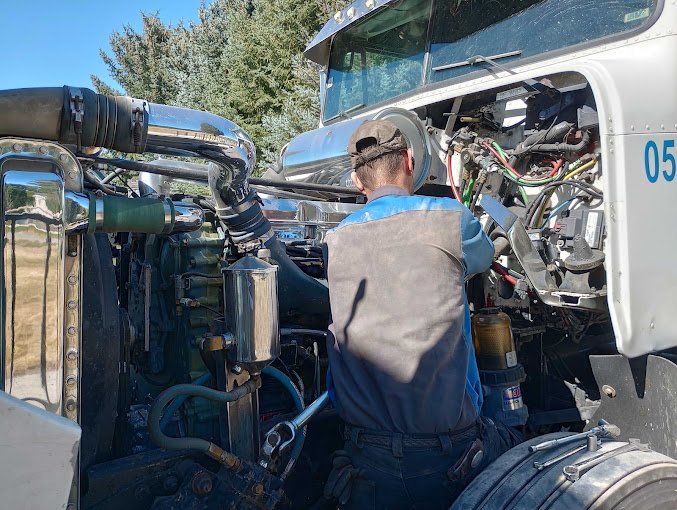
Tyson Clark runs Marsh Basin Mobile Repair LLC out of Albion, Idaho. He got into mechanics because he liked figuring out how things work and solving problems other people couldn't. He learned on the job, working on equipment, diesel trucks, agricultural machinery, and everyday vehicles.
He started the business to bring professional repair work directly to customers who can't always afford the downtime of hauling something into a shop. That includes farms, ranches, and trucking operations across southern Idaho.
What he gets called for
The most common calls are no-start diagnostics, electrical issues, fuel system problems, brake repairs, and roadside service for diesel pickups and heavy equipment.
He puts most diagnostic and repair calls at $150 to $800. Bigger jobs, like injector work, major electrical troubleshooting, hydraulic repairs, or extensive parts replacement, can run higher than that. His approach is to diagnose the problem correctly first so customers aren't paying to replace parts they didn't need.
What people get wrong
Clark says a lot of customers assume electrical problems will cost thousands of dollars, when sometimes it's a damaged wire, a bad ground, a blown fuse, or a failed relay.
On the flip side, people often think brake jobs are simple and cheap. But if the rotors, calipers, wheel bearings, or hydraulic components are also worn, the job gets bigger than expected. As he puts it, the real cost comes from fixing the problem correctly, not just swapping the obvious part.
A repair he's proud of
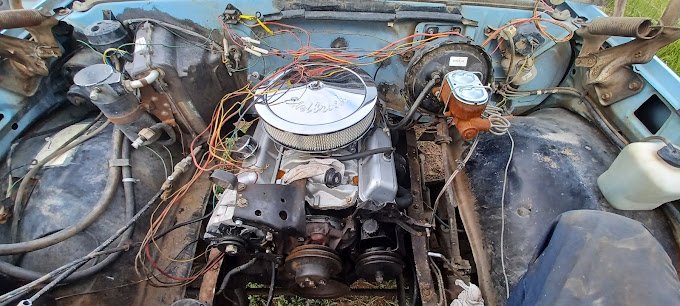
One vehicle came to him after multiple people had decided the engine was shot and the owner was ready to scrap it. Clark ran a full diagnostic and found the real problem was electrical and fuel delivery, not the engine itself.
Once he fixed the wiring fault and the fuel system issue, the vehicle started, ran properly, and went back into regular service. He says this is the kind of repair he enjoys most, because a correct diagnosis can save someone thousands of dollars and keep a good vehicle from being junked for no reason.
What's on the van
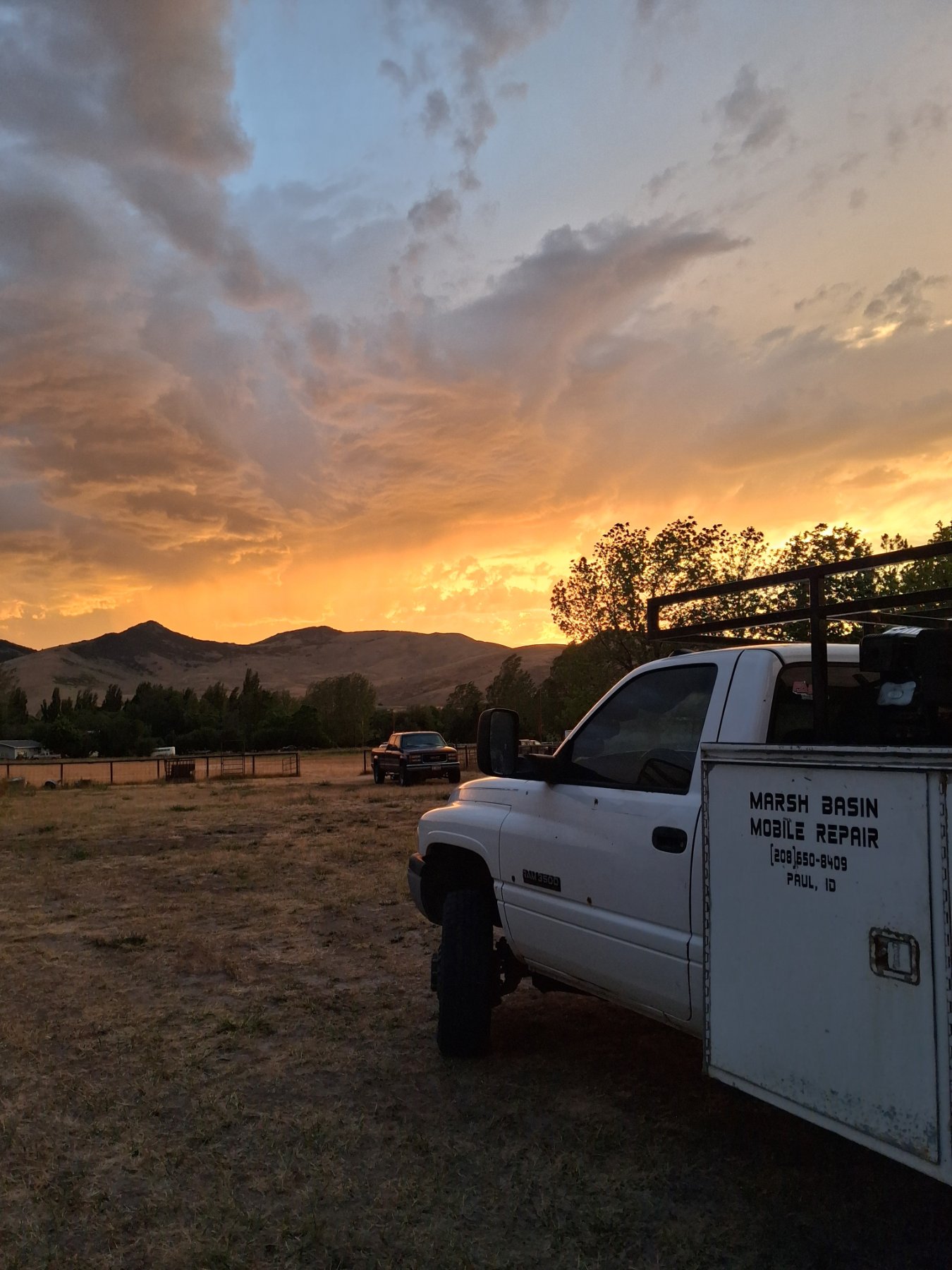
Clark's setup includes professional diagnostic scan tools, electrical testing equipment, advanced troubleshooting tools, battery and charging system test equipment, welding capability, hydraulic repair equipment, and a range of specialty tools.
That lets him diagnose and repair on site, whether it's a stranded diesel truck, a piece of farm equipment, construction machinery, or a passenger car. The goal is getting people moving again without waiting on a tow and a shop opening.
Maintenance people skip, and how to hire right
Clark's biggest piece of advice is not to put off fluid changes. Engine oil, transmission fluid, coolant, hydraulic fluid, differential oil, and fuel filters are all cheaper than replacing major components. He's seen plenty of expensive breakdowns that started as maintenance someone figured could wait.
He serves Albion and surrounding communities throughout southern Idaho, including rural areas, farms, ranches, roadside locations, construction sites, and small towns. When someone calls, he asks what they're working with, what symptoms they're seeing, and where they're located, then figures out what tools and parts he'll need before scheduling a visit. On site, he runs diagnostics, explains what he finds in plain language, and goes over repair options before starting major work.
His advice for picking a mechanic: find someone willing to explain the diagnosis instead of just recommending parts. Ask if they have experience with your type of vehicle or equipment, whether they carry proper insurance, and whether they'll talk through costs before the work starts. In his view, good diagnostics and honest communication matter more than finding the cheapest quote.
Interviewed by MechanicRank · October 15, 2026. Nothing here is sponsored and nothing was rewritten into marketing copy. Read the other features or tell us about your own shop.