Avoid a $1,000+ Repair by Matching Belt or Chain to Your Ownership Plan
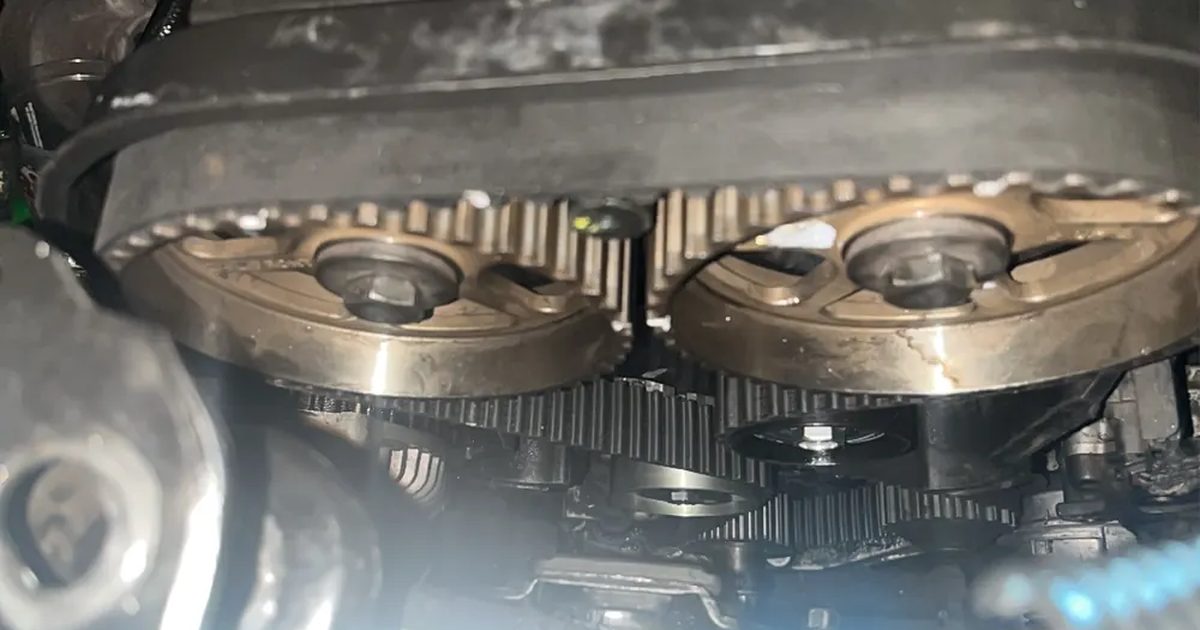
A timing chain generally needs less scheduled maintenance than a timing belt, but only if you keep up with oil changes. A timing belt is a wear item on a fixed replacement schedule, while a chain is made of metal and meant to outlast the engine around it. Your first move is simple. Check your owner's manual or run your VIN to find out which one your car has.
- Timing chains can last beyond 150,000 miles if maintained properly, but neglected oil changes can cause early wear and stretch.
- Timing belts generally need replacement between 60,000 and 105,000 miles, regardless of maintenance, because the rubber deteriorates.
- Chain replacements cost more, averaging $1,000 to $2,800, because they involve deeper engine disassembly than belt jobs.
- A failing timing chain often rattles on cold start or sets codes like P0016, and it needs prompt inspection to prevent engine damage.
- Confirm your engine's timing system with the manual or a VIN check before any repair, and remember that preventive maintenance costs less than an unexpected failure.
10 min read · 10 sections
Timing Belt vs Timing Chain and the Core Differences
The biggest difference comes down to material. A timing belt is made of reinforced rubber with internal cords, so it ages even if you barely drive the car. A timing chain is metal, linked like a bicycle chain, and it wears slowly through friction rather than breaking down from heat and time.
That material gap explains most of what you'll notice as an owner. Belts are quieter and lighter, which is part of why manufacturers still use them in many four cylinder engines to save weight and cost. Chains tend to run a bit louder, especially as they stretch with age, but they don't dry out or crack the way rubber does.
Lubrication is the other major split. A timing belt runs dry, often behind a plastic cover with no oil contact at all. A timing chain lives in an oil bath and depends on that oil to reduce wear on its links and guides, which is why oil changes matter far more for chain life than most owners realize.
This is how the trade-offs stack up for typical owners.
- Timing belt advantages. Quieter operation, lighter weight, usually cheaper to manufacture and often cheaper to replace on non-interference engines.
- Timing belt drawbacks. Replacement is due at a set mileage or age no matter how well you maintain the car.
- Timing chain benefits. Long service life with minimal scheduled attention and, in most cases, no set replacement interval.
- Timing chain drawbacks. Labor costs more when it does fail, and a chain can stretch quietly for years before showing obvious symptoms.
How to Tell if Your Car Has a Timing Belt or Chain
You don't have to guess, and you shouldn't. A few checks will settle it fast.
- Open the owner's manual and look at the maintenance schedule. If it lists a mileage or year interval for "timing belt replacement," you have a belt. Manuals rarely list a chain interval because chains aren't scheduled the same way.
- Run your VIN through a dealer parts counter, or ask a shop to look it up if the manual is missing or unclear. This is the most reliable way to confirm which system your car uses, since parts databases are built around exact engine codes.
- Listen at a cold start. A metallic rattle for a second or two on startup often points to a chain with worn tensioners. Treat it as a clue rather than proof, since other components can rattle too.
- If you are buying used, ask for paperwork. Request receipts or service records showing the timing belt was replaced on schedule, or budget for an immediate replacement if there's no proof at all.
How Long Does Each System Actually Last?
Timing belts commonly need replacement somewhere between 60,000 and 105,000 miles, or every five to ten years, depending on what the manufacturer specifies for your exact engine. That range is wide because belt material, engine layout, and heat exposure all affect how fast the rubber breaks down.
Timing chains typically run 150,000 to 250,000 miles or more before they need attention, but that number assumes you stay on top of oil changes. Skipped or stretched oil change intervals are the single biggest reason chains wear out early, since dirty or low oil accelerates stretch in the links and guides.
Don't take "lifetime chain" marketing at face value, either. Some chains on certain engine families have failed well before 150,000 miles, so treat any lifetime claim as a starting point, not a guarantee.
A few habits protect either system.
- Stick to your manufacturer's oil change interval, not a stretched out version of it.
- Have the timing belt or chain area inspected during any major service, especially past 60,000 miles.
- Replace the tensioner and guides along with the chain if you're already deep into the engine for other work.
- Don't wait for symptoms on a belt car. Replacing the belt at the scheduled interval is far cheaper than dealing with a snapped one.
What Timing Belt and Chain Repairs Cost
Cost is where the two systems really diverge, so know the numbers before a shop quotes you.
A full timing belt replacement typically runs $435 to $1,150 on average, though some jobs land closer to $1,300 depending on the vehicle and whether extra components need replacing. Timing chain work tends to run higher, often $1,000 to $2,800 or more, because chains sit deeper in the engine and the job usually means pulling the timing cover, the oil pan, or even the cylinder head.
A few things drive that cost gap.
- Belt jobs often get bundled with the water pump, since the pump is right there once the belt is off, and doing both at once saves labor versus two separate visits.
- Chain jobs require more disassembly, so guides, tensioners, and seals often get replaced at the same time, adding parts cost on top of labor.
- Interference engines raise the stakes. If a belt snaps or a chain jumps time on an interference design, the valves and pistons can collide, turning a maintenance job into a head gasket repair or a full engine rebuild.
Warning Signs and When to Act Fast
Belts and chains fail differently, and knowing the difference can save your engine.
A failing timing belt often gives almost no warning. It can simply snap, especially once it's past its recommended interval, and on an interference engine that means instant, expensive damage. Cracked or glazed rubber visible through an inspection panel is one of the few visual clues you'll get ahead of time.
A failing timing chain usually announces itself more gradually, although it can fail with little outside warning if oil changes have been neglected. Belts, by contrast, give you a scheduled window to act before anything breaks, and that difference should shape how you maintain each system.
If you hear a cold start rattle or see a P0016 or P0017 code, get the car looked at before you drive it much further. On an interference engine, a stretched chain that jumps time can bend valves in seconds. Watch for these signs.
- A rattling or ticking sound on cold start that fades as the engine warms up.
- Rough idle or a check engine light tied to codes like P0016 or P0017, which point to cam and crank correlation problems from chain stretch.
- Sudden loss of power or misfires if the chain has jumped a tooth.
Confirming Your System and Getting a Fair Quote
Start with the manual, then confirm with a VIN lookup if you're still unsure. From there, MechanicRank's timing belt replacement cost guide gives you a real range to compare against any quote you receive.
- Use the manual first, then a VIN lookup or a trusted shop to confirm belt versus chain.
- If you hear chain noise or see a correlation code, work with a mechanic rather than guessing.
- Always ask for an itemized invoice listing every part replaced and any torque related work performed.
Belt or Chain, and What Actually Fits Your Situation
If you plan to sell within a few years, a belt engine's lower repair cost usually works in your favor. If you keep cars long term and stay disciplined about oil changes, a chain engine tends to reward you with less scheduled maintenance over its life. Buying used? Always get the belt service history in writing, or budget for an immediate replacement.
Get a Mechanic to Confirm and Fix It Right
Guessing at your timing system, or trusting a stranger's used car listing, is how owners end up with surprise repair bills. Once you know whether you're dealing with a belt or a chain, MechanicRank is the practical next step. Its owner-verified listings connect you with mobile mechanics and local shops who can inspect the system, quote the job, and in many cases handle same day mobile repair for a rattling chain or an overdue belt.
Compare your quote against real numbers first. The timing belt replacement cost guide breaks down what a fair job should run in your area, and the broader repair cost guides cover related work like water pumps and serpentine belts that often get bundled into the same visit. When you're ready, search MechanicRank to find a mechanic near you and ask for an itemized quote with a warranty on the timing work before anyone touches your engine.
Like this? Add MechanicRank to your Google sources
Reading List
- Timing belt vs timing chain, what's the difference
- Timing Chain Vs. Timing Belt
- Timing Belt vs Timing Chain Differences, Lifespan and Replacement Costs
Owners Ask Us
Is it more expensive to replace a timing belt or timing chain?
A timing chain job usually costs more overall, often $1,000 to $2,800 or more, compared with a typical belt job at $435 to $1,150, mainly because chains require deeper engine disassembly.
What are signs of a bad timing belt?
Cracked or glazed rubber, visible fraying, and unusual engine noise are early clues, but a belt often fails suddenly with no other warning once it passes its replacement interval.
Is a timing belt or timing chain better?
Neither is universally better. Chains typically last longer with less scheduled maintenance, but belts are quieter, lighter, and often cheaper to replace on non-interference engines.
Which cars use timing chains instead of belts?
Many larger engines, along with a growing number of modern four cylinder engines built for longer service intervals, use timing chains, while smaller economy engines still often use belts to save weight and cost.
How do I know if my car has a timing belt or chain?
Check the maintenance schedule in your owner's manual for a listed belt replacement interval, or give your VIN to a shop, such as one found through MechanicRank, to confirm which system your engine uses.
Picked for You
Own a shop or a mobile operation?
Your free MechanicRank listing is one of the citations this article talks about. Claimed listings get an owner badge, a photo gallery, and a green star on the map.
Claim Your Free Listing →